Independent & reader-supported · Trusted guidance for American seniors · How we workIndependent & reader-supported · Trusted guidance for American seniors · How we work

SpyCloud's 2026 Identity Exposure Report reveals a significant rise in non-human identity theft, highlighting the urgent need for organizations to adapt their security strategies.
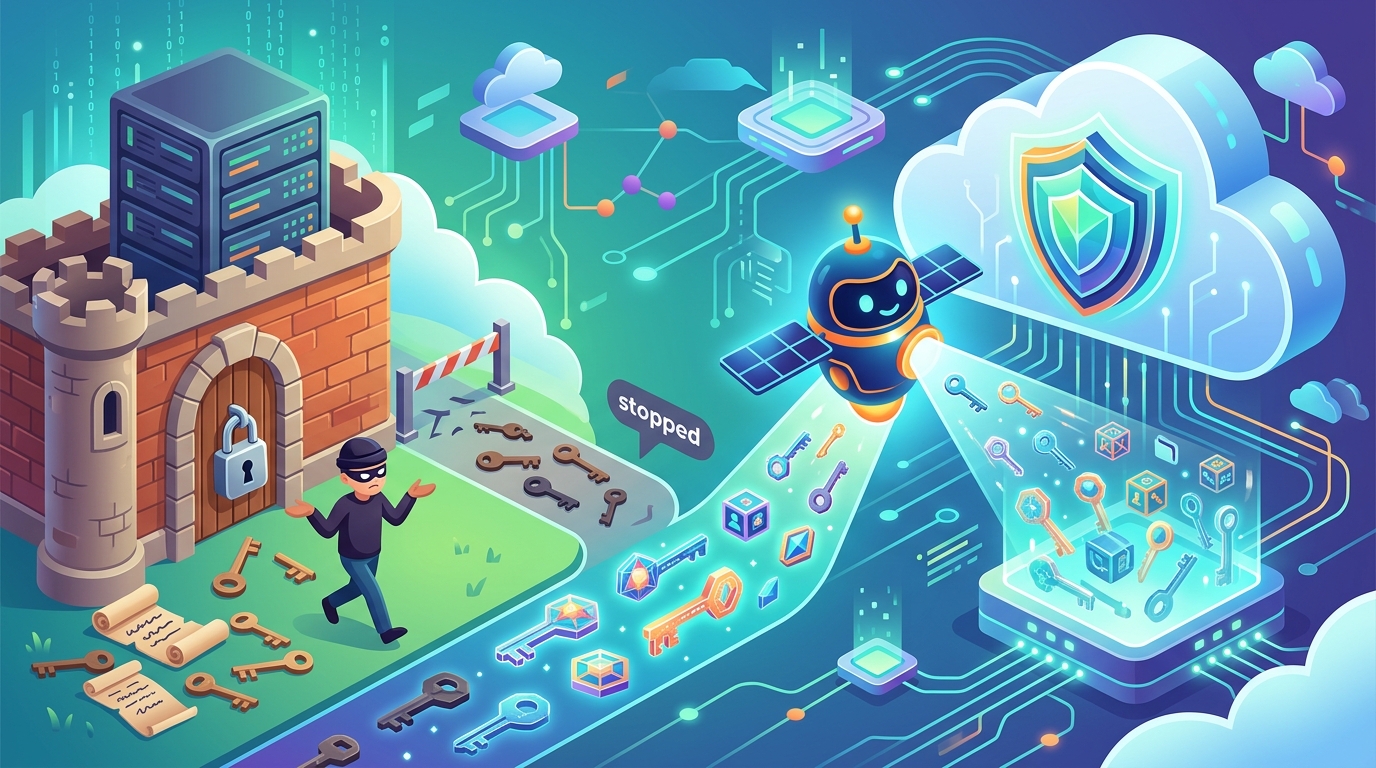
In a world increasingly reliant on technology, the implications of identity theft extend beyond individuals to encompass entire organizations. A recent report from SpyCloud highlights a staggering 23% increase in identity exposure, revealing that the theft of non-human identities, such as API keys and session tokens, has become a key focus for cybercriminals. As businesses integrate automation and AI into their operations, these machine identities are now a core part of the attack surface.
The report indicates that in 2025, SpyCloud recaptured over 18 million exposed API keys and tokens, which are critical for accessing various cloud services and applications. This shift signifies a structural change in cyberattacks, marking a transition from targeting traditional credentials to exploiting authenticated access, which often lacks the same security measures.
While non-human identities are at risk, phishing attacks targeting humans remain alarmingly prevalent. SpyCloud recaptured nearly 29 million phished identities, with corporate users representing a significant portion of those targeted. This alarming trend, which has seen a 400% increase in successful phishing attacks year-over-year, underscores the need for organizations to reassess their defenses.
Amidst this backdrop, individuals concerned about their personal data can consider proactive measures for protection. Many services offer comprehensive monitoring and support in the event of identity theft, including dark web monitoring and fraud alerts, ensuring that users can respond swiftly if their identity is compromised. Check it out.

The findings in SpyCloud's report reveal a systemic issue in how identities are secured across both human and machine platforms. With attackers increasingly combining diverse datasets, the integrity of authentication systems is under threat. The challenge for organizations is not merely halting phishing or malware but understanding the interconnected nature of exposed identities across their systems.
This evolving landscape compels a reevaluation of security strategies. As organizations embed AI tools and accelerate cloud adoption, the ripple effects of compromised machine identities can be profound, affecting everything from operational security to customer trust. Ultimately, the question remains: what kind of digital future are we normalizing, and how can we ensure that security measures evolve in tandem with these technological advancements?
Investigative technology reporter covering AI ethics, digital labor, surveillance, and emerging economies. Zara blends field reporting with human-centered storytelling, spotlighting the people impacted by invisible tech systems.

Mar 19, 2026

Mar 16, 2026

Mar 16, 2026