Independent & reader-supported · Trusted guidance for American seniors · How we workIndependent & reader-supported · Trusted guidance for American seniors · How we work

Explore effective strategies for consolidating credit card debt, including personal loans, balance transfer cards, and home equity options.
Credit card debt often creeps up on individuals, becoming unmanageable before they even realize it. With average credit card annual percentage rates (APRs) surpassing 21%, even modest balances can quickly spiral out of control due to accumulating interest. This financial burden is compounded when debt is spread across multiple cards, leading to chaos with varying due dates and interest rates. As such, debt consolidation has emerged as a popular and strategic approach to simplifying finances and reducing overall repayment costs.
Among the most effective strategies available today is the use of personal loans for debt consolidation. Many borrowers find this route appealing, especially when interest rates for qualified individuals can start as low as 7%. By replacing multiple credit card balances with a single fixed monthly payment, individuals can save thousands in interest. Furthermore, personal loans are accessible to a broad range of borrowers, from those with excellent credit to those with less favorable scores, although it’s important to note that lower credit scores often incur higher rates.
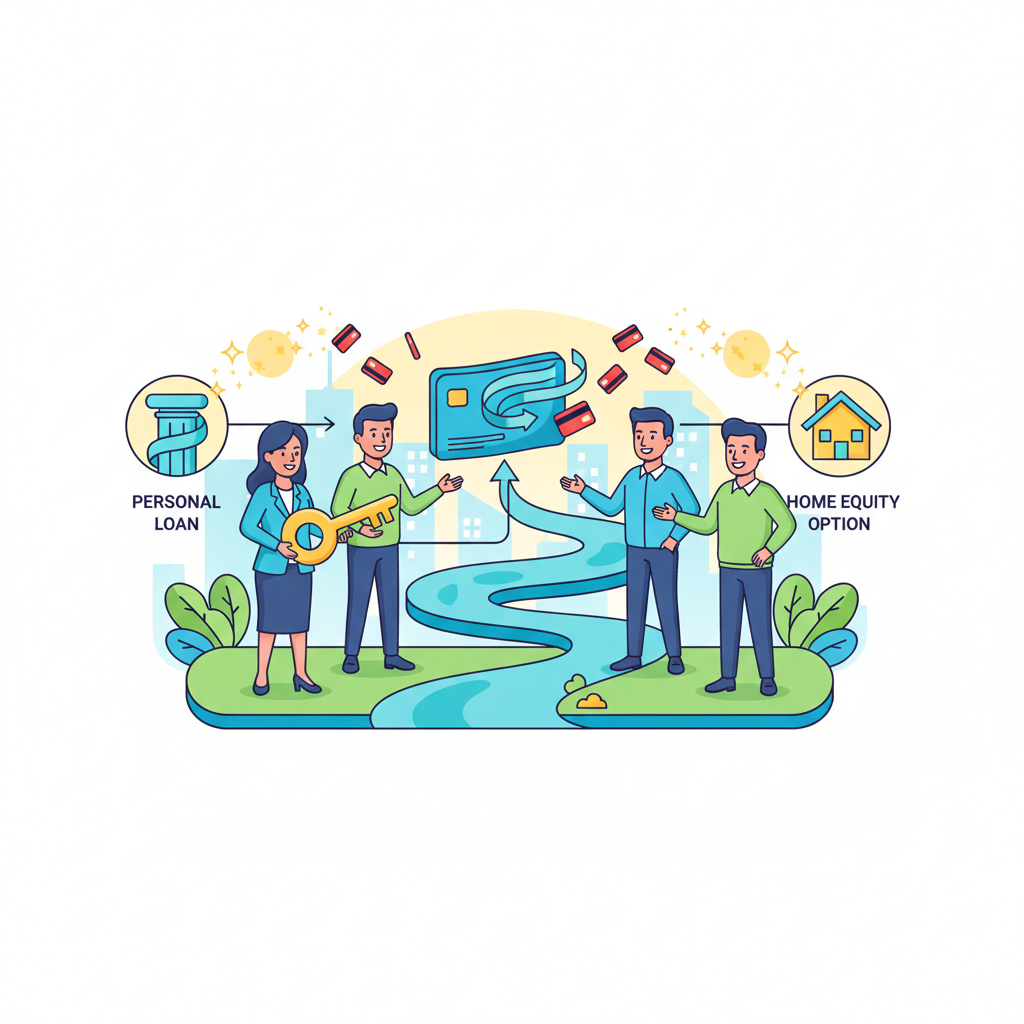
For those with good to excellent credit, balance transfer cards present another powerful option. These cards frequently offer promotional periods with 0% APR for up to 21 months, enabling interest-free payments on transferred balances. However, a balance transfer fee, typically ranging from 3% to 5%, is often applicable. The key to maximizing this strategy lies in discipline, paying off the transferred amount before the promotional period ends is crucial to avoid reverting to higher interest rates.
Homeowners may also consider tapping into home equity, as this can provide some of the lowest rates available for debt consolidation. By using a home equity loan or a home equity line of credit (HELOC), individuals can convert unsecured credit card debt into secured debt. This option, however, carries significant risks, including the possibility of foreclosure if payments are missed. Therefore, it is most suitable for those with considerable equity and a reliable income.
For those who may not qualify for favorable loan rates or prefer not to take on additional debt, engaging with a credit counseling agency for a debt management plan can be a viable alternative. This method involves a credit counselor negotiating with creditors to reduce interest rates and fees, consolidating payments into one manageable monthly amount. While this process typically spans three to five years and necessitates closing some accounts, it offers a structured path out of debt.
Consolidating credit card debt can be an effective way to regain control over financial situations and reduce stress. With options varying based on individual circumstances, it’s essential to choose a path that aligns with one’s financial profile. To explore various debt relief strategies and potentially reduce monthly payments, consider reviewing available offers to find a solution that suits your needs. Check it out.
Investigative technology reporter covering AI ethics, digital labor, surveillance, and emerging economies. Zara blends field reporting with human-centered storytelling, spotlighting the people impacted by invisible tech systems.

Mar 19, 2026

Mar 19, 2026

Mar 16, 2026