Independent & reader-supported · Trusted guidance for American seniors · How we workIndependent & reader-supported · Trusted guidance for American seniors · How we work

Explore the complex reality of medical debt relief programs and their actual impact on financial wellbeing, as recent studies reveal surprising outcomes.
Many believe that debt relief programs are a golden ticket to financial freedom, but the reality paints a different picture. A recent study by the National Bureau of Economic Research revealed that recipients of medical debt relief experienced no significant improvement in financial wellbeing or healthcare usage. Instead, they often struggled more with other medical bills. This contradiction begs the question: is debt relief truly beneficial, or just a temporary Band-Aid on a larger problem?
Illinois Governor J.B. Pritzker recently announced a staggering $2.6 billion in erased medical debt, with $1.5 billion coming from a Cook County initiative. While the numbers are impressive, they shine a light on a troubling trend. Pritzker touted the average relief of $1,200 per patient across the state, but the long-term implications of such relief are far from clear.
So how does debt relief actually work? Nonprofits like Undue Medical Debt buy medical debt from collections agencies for pennies on the dollar, effectively erasing it. CEO Allison Sesso emphasizes that this approach leverages market inefficiencies, allowing them to wipe out debts without the burden of collection. While it sounds altruistic, the impact on consumers may not be as rosy as portrayed.
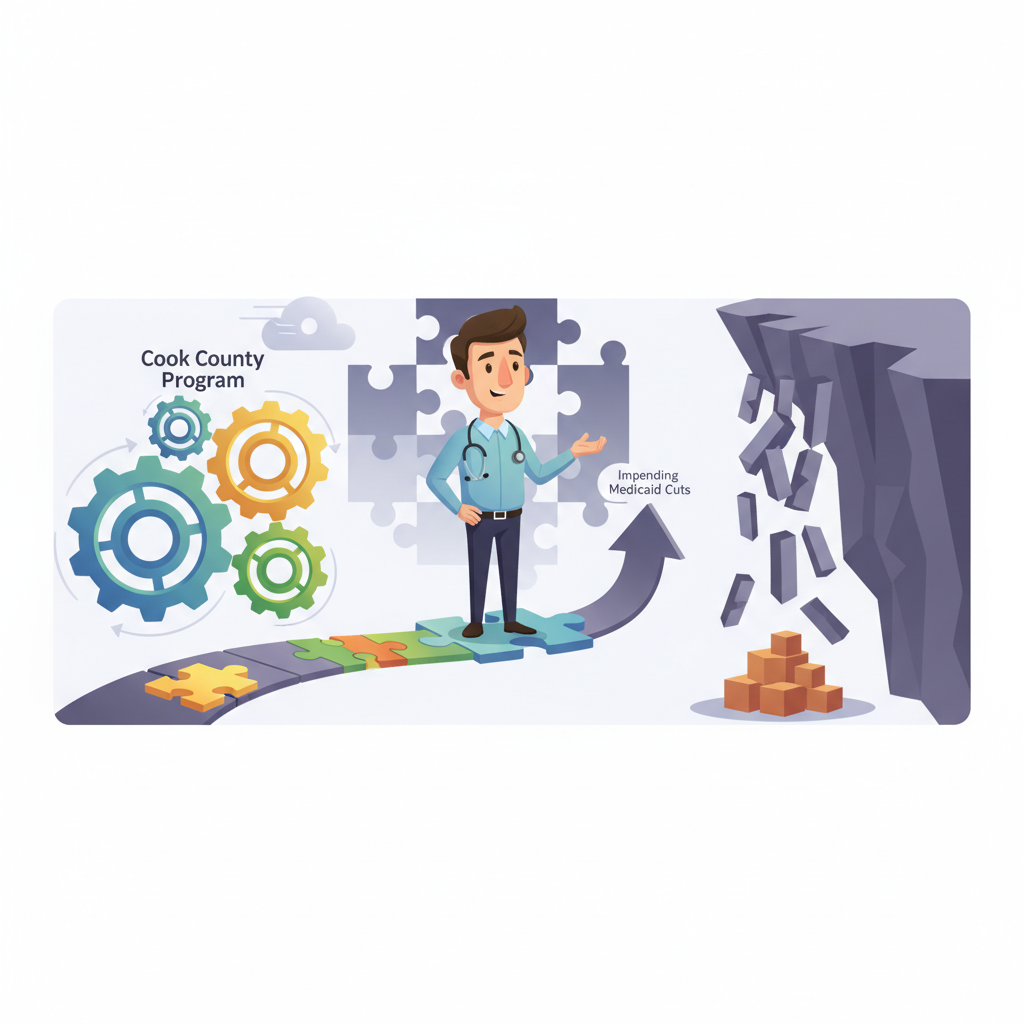
the Cook County program is set to continue, despite the lack of federal stimulus funding, suggesting a commitment to addressing this pressing issue. However, as Erik Mikaitis, CEO of Cook County Health, notes, the relief is only part of a larger puzzle. With impending Medicaid cuts, financial vulnerabilities are likely to rise.
If you're overwhelmed by high-interest credit card debt or other unsecured obligations, it might be time to explore debt consolidation options that can reduce what you owe and help you become debt-free in as little as 24 to 48 months. Many programs offer a free consultation with customized plans tailored to your financial situation. Check it out.
While the intentions behind medical debt relief programs are commendable, the evidence suggests that they may not deliver the long-lasting financial benefits many expect. It’s crucial to critically evaluate such initiatives and consider more sustainable financial strategies. Rather than relying solely on relief programs, individuals should take proactive steps in managing their debts and finances to achieve true economic stability.
Behavioral economist and former hedge fund researcher who now writes about money, risk, inequality, and human decision-making. Malik blends data, street-level realism, and sharp wit to dismantle financial myths.
Mar 23, 2026

Mar 20, 2026

Mar 20, 2026