Independent & reader-supported · Trusted guidance for American seniors · How we workIndependent & reader-supported · Trusted guidance for American seniors · How we work

Explore the implications of filing for bankruptcy due to credit card debt. Understand the types of bankruptcy, their consequences, and consider alternatives before making a decision.
In the shadow of America’s burgeoning credit card crisis, where debt has eclipsed $1.28 trillion and interest rates hover above 21%, the thought of bankruptcy can seem both terrifying and liberating. Millions of borrowers are trapped, watching their minimal payments barely alter their balances, leading to a pivotal question: Is bankruptcy the solution to overwhelming credit card debt? The term itself carries a profound weight, reflecting not just financial failure but also a complex legal framework designed to provide relief for those in dire straits.
While the stigma of bankruptcy looms large, it’s essential to recognize the nuanced reality behind it. Bankruptcy exists because lawmakers have acknowledged that certain financial situations can spiral beyond reasonable recovery. Yet, while it is an option, it’s critical to explore whether it is the right pathway for you, given the heavy consequences that accompany such a decision.
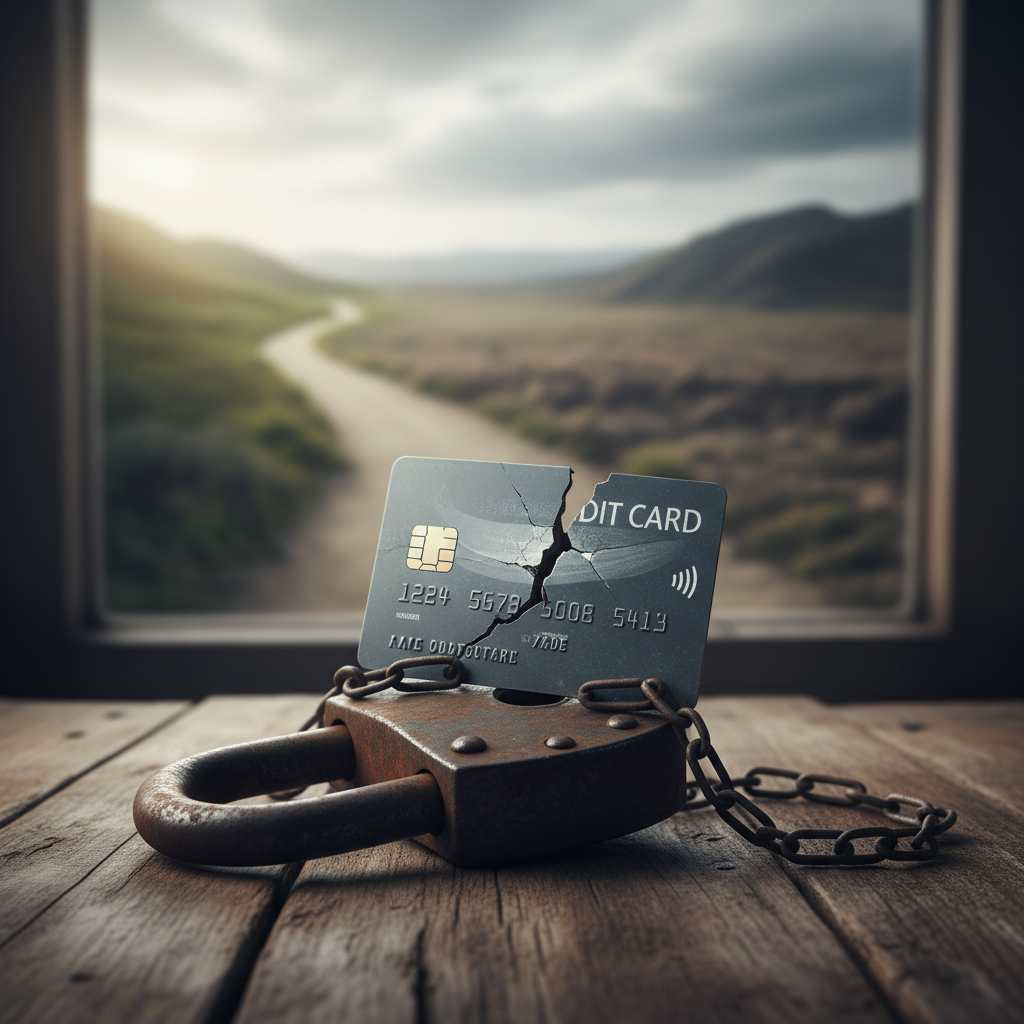
Two primary forms of bankruptcy are commonly considered: Chapter 7 and Chapter 13. Chapter 7 offers a faster route, often discharging unsecured debts like credit cards within months, provided you pass a means test. Conversely, Chapter 13 restructures your debt into a manageable repayment plan over three to five years. Each option presents a different set of implications, particularly concerning your credit report, which can bear the mark of bankruptcy for up to a decade.
Filing for bankruptcy may be appropriate when repayment seems impossible; however, it’s vital to weigh the potential fallout. It can complicate future financial endeavors, impacting your ability to secure housing or employment. Thus, before making such a weighty decision, consider exploring alternative debt relief solutions.
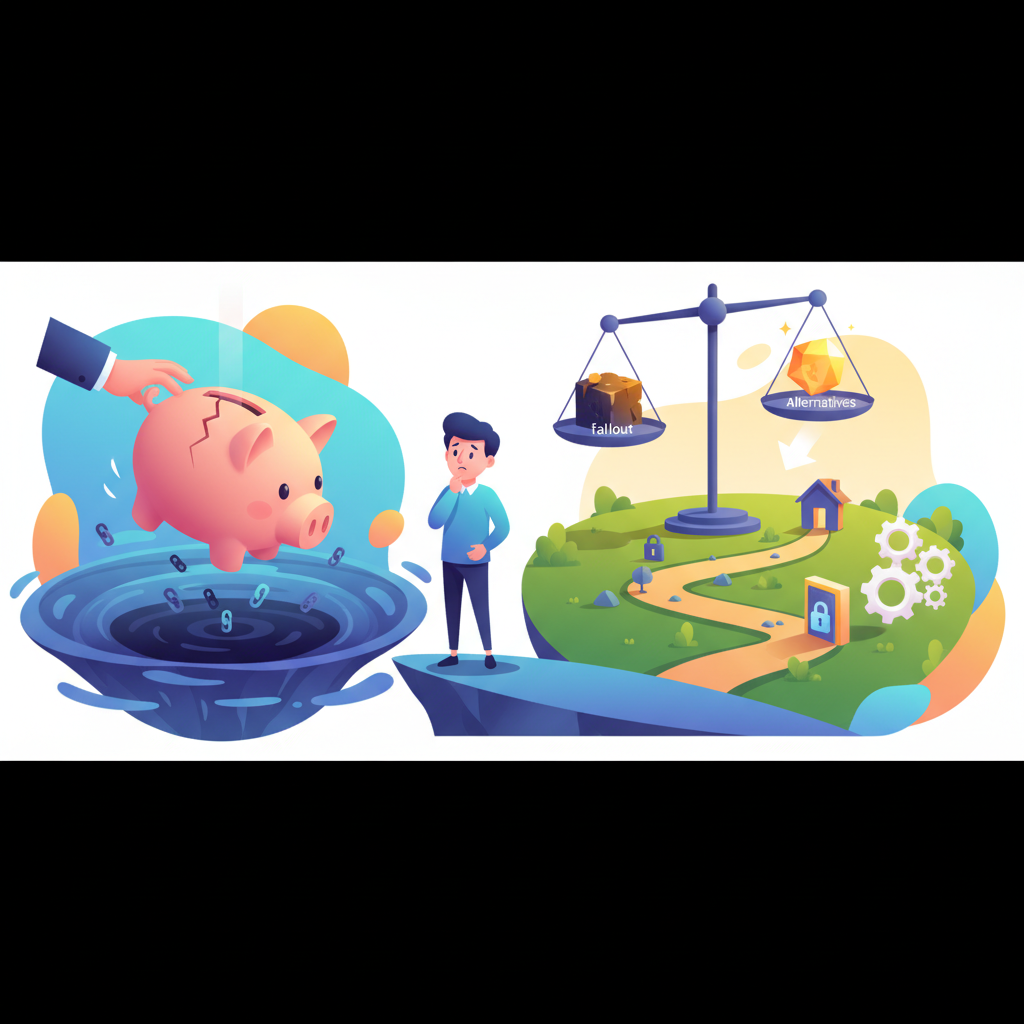
For those teetering on the edge of bankruptcy, alternatives like debt settlement or a structured debt management plan through a credit counseling agency might offer viable paths. These options, while imperfect, can help reduce your debt burden without the severe repercussions of bankruptcy. Check it out to compare various debt relief options that could simplify your financial landscape.
Ultimately, bankruptcy isn’t a failure; it’s a legal recourse for those facing genuine financial distress. However, the long-term consequences warrant a thorough exploration of alternatives. Consulting with a bankruptcy attorney or credit counselor can illuminate your options, helping you discern which pathway aligns best with your financial reality.
Cultural critic and former documentary screenwriter with 15 years dissecting power, identity, media, and the invisible systems shaping everyday life. Elena doesn’t just report on events — she interrogates them. Known for razor-sharp analysis and prose that feels both intimate and explosive.
Mar 26, 2026

Mar 25, 2026
Mar 20, 2026